P&J Floros Farm

About P&J Floros Farm
Working for God helping people grow food🌱🙌🏻🙏✨
Accepted payment methods
Venmo
@Jessica-Floros
Social Media
Location
Address (Approximate)
City
The Villages
State
FL
Zip
32159

seeds

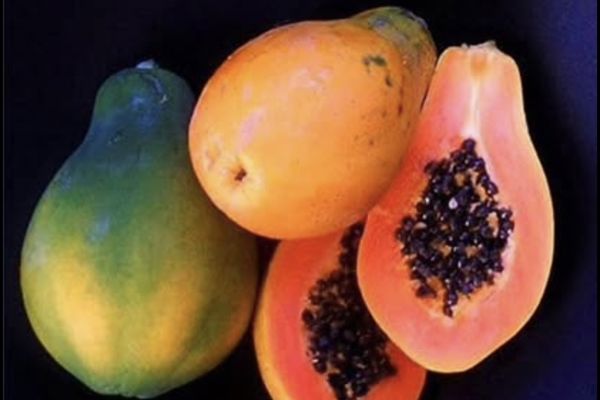
Papaya 20 seeds

Papaya is a tropical fruit tree known for its sweet, juicy fruit and its many health benefits. Growing Conditions: USDA hardiness zones 9–11, where the climate is warm year-round. Here’s how the zones affect their growth: Zone: • Zone 9: Papayas can be grown here but may require protection during colder months, as temperatures below 32°F can damage or kill the tree. Grow them in containers to move indoors if needed. • Zone 10 and 11: These zones provide the warm, frost-free environment papayas thrive in. They can be planted outdoors year-round. • Climate: Thrives in tropical and subtropical climates with consistent warmth (65–90°F). • Light: Requires full sun for optimal growth and fruit production. • Soil: Prefers well-draining, slightly acidic to neutral soil rich in organic matter. • Water: Needs regular watering but cannot tolerate waterlogged conditions. Tips for Growing in Colder Zones: • Containers: In zones below 9, papayas can be grown in large pots and kept indoors during the winter. • Greenhouses: A greenhouse or heated area can provide the necessary warmth and humidity. • Microclimates: Plant papayas in a sunny, sheltered spot near a wall or structure to retain heat Nutritional Value: • Rich in Nutrients: High in vitamins A, C, and E, fiber, and antioxidants. • Enzyme Content: Contains papain, a digestive enzyme that aids in breaking down proteins. Uses: • Culinary: Used in salads, smoothies, desserts, and as a meat tenderizer due to its enzymes. • Medicinal: Known for aiding digestion, improving skin health, and boosting immunity. • Cosmetic: Extracts are used in skincare products for their exfoliating and brightening properties. Features: • Appearance: Papaya trees are tall, slender, and unbranched with a crown of large, lobed leaves at the top. • Fruit: The fruit is oval or pear-shaped, with green skin that turns yellow-orange when ripe. Inside, the flesh is orange or pink with a cluster of black seeds in the center. • Height: Trees can grow up to 10–12 feet tall, with some reaching 20 feet in optimal conditions. • Flowers: Small, fragrant, and cream-colored flowers develop into fruit. Fun Facts: • Papayas are fast-growing and can start producing fruit within 6–12 months of planting. • They are dioecious, meaning they can have male, female, or hermaphroditic flowers on separate trees.

$6.00 / Each/Unit

The Villages, FL

turmeric

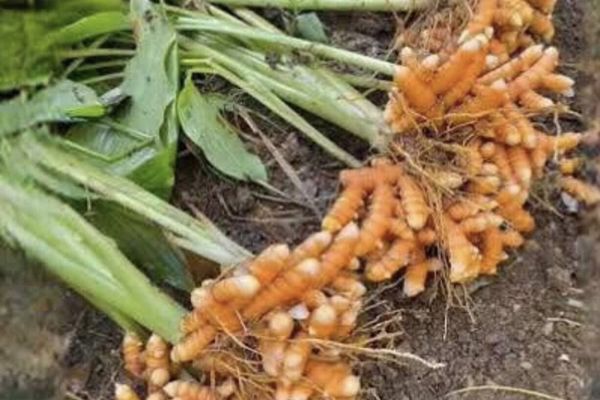
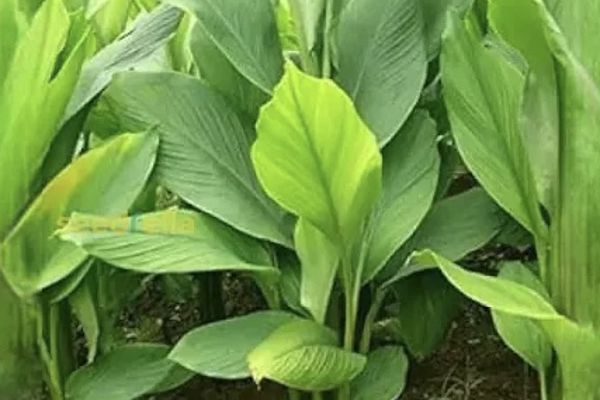
Turmeric

Growing Zones • USDA Zones: Turmeric is a tropical plant that thrives in zones 8–11. • In zones 8–9, it may die back in winter but return if mulched well. • In zones 7 and colder, it’s best grown in pots or containers and overwintered indoors. 🌱 Growing in the Ground vs. in Pots • In the ground (warm zones 8–11): • Needs rich, loose, well-draining soil. • Prefers partial to full sun (but not scorching). • Plant rhizomes about 2–3 inches deep. • Takes 8–10 months to mature. • In pots (cooler zones or small spaces): • Use a deep, wide container (12–18 inches). • Potting mix should be loamy with compost. • Easier to bring indoors when temps drop below 55°F (13°C). • Keep soil consistently moist but not soggy. 🌿 Health Benefits of Turmeric Powerful Anti-Inflammatory & Healing Agent Turmeric reportedly “calms down outsized inflammatory responses” affecting nerves, joints, and the brain. 2. Circulation Booster & Blood Support turmeric increases blood supply to areas with sluggish circulation, which is especially helpful for chronic histamine reactions or “toxic blood.” 3. Cardiovascular & Cancer Benefits The combination of curcumin and manganese is said to help lower bad cholesterol, raise good cholesterol, inhibit tumors and cysts, and may act as a general cancer preventive. 4. Support for Fatigue & Neurological Issues turmeric as especially helpful for conditions like ME/CFS, mysterious brain pressure, dizziness, headaches, blurry vision, confusion, severe anxiety, and panic. 5. Usage Methods & Recipes • Juice or grated fresh: Add turmeric to salads, broth, or juice combos like turmeric-ginger shots. • Turmeric-Ginger Shots: A recipe combining fresh turmeric juice, ginger juice, garlic juice, and orange juice—specifically crafted to boost immunity and clear congestion—with flexible ingredient proportions. 6. General Recommendations Turmeric is portrayed as a “natural wonder” with anti-inflammatory, antioxidant, antiseptic, and even anti-depressant properties. It’s claimed to benefit digestion, liver, respiratory health, immune system, menstrual regulation, cognition, autoimmune issues, blood purification, skin health, and more.


$10.00 / Each/Unit

The Villages, FL

shampoo Ginger

Shampoo ginger plant (Zingiber zerumbet)

is a tropical perennial. • USDA Hardiness Zones: 8–12 • In zones 9–12, it usually grows year-round outdoors. • In zone 8, it may die back to the ground with frost but can regrow in spring if the rhizomes are well-mulched. • Climate needs: • Loves warm, humid, tropical or subtropical conditions. • Prefers partial shade (under taller trees or filtered sunlight). • Needs rich, moist, well-draining soil. Many people in cooler zones grow it in pots or containers, bringing it indoors during winter. 🌿 Traditional & Natural Uses • Natural shampoo/conditioner – The clear, fragrant liquid squeezed from the red pinecone-like bracts is used to wash and soften hair. It was a traditional hair rinse in Hawaii (ʻawapuhi kuahiwi). • Skin moisturizer – The juice can be rubbed directly on the skin as a soothing, hydrating lotion. • Massage oil – Mixed with coconut oil, it’s used in Hawaiian lomilomi massage for its fragrance and skin benefits. 🌱 Medicinal/Folk Uses • Used in traditional medicine for digestive upset, sprains, toothaches, and inflammation (usually with the rhizomes, not just the flower bracts). • In some cultures, decoctions of the rhizome are taken internally for stomach ailments or applied externally for joint pain. 🏡 Ornamental Uses • Grown in gardens for its tropical look – tall leafy stems with striking red bracts. • The bracts are long-lasting and often used in floral arrangements

$15.00 / Each/Unit

The Villages, FL

fruit

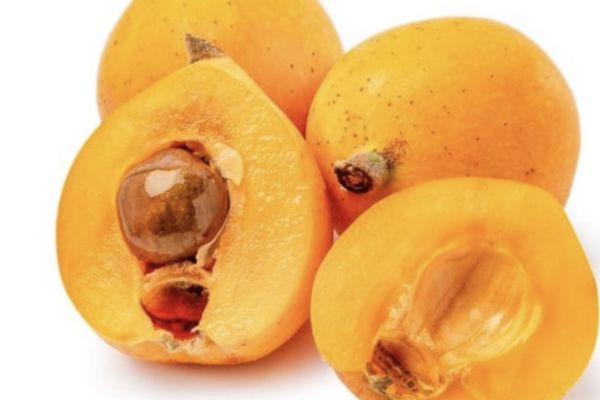
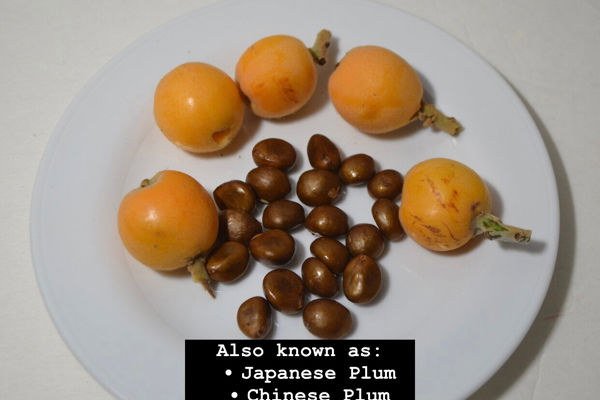
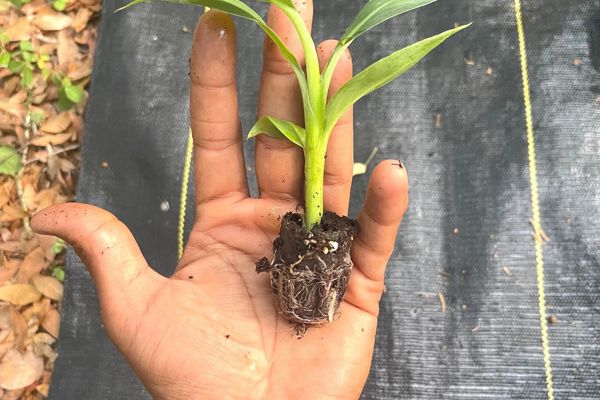
Loquats (Eriobotrya japonica)

Loquats (Eriobotrya japonica) . Other names • Japanese plum • Japanese medlar • Chinese plum • Pipa (枇杷 – Chinese name, often used in teas and syrups) • Níspero (Spanish) • Nespolo (Italian) • Amespil (old English/European usage) • Lokwat (Hindi/Urdu transliteration Grow best in USDA Zones 8–10. 🌱 Details by zone: • Zone 8 → They can grow, but young trees may need protection from frost. Fruit production might be limited in colder years. • Zones 9–10 → Ideal climate: mild winters and warm springs. Trees thrive and fruit reliably. • Zone 7 and below → Too cold outdoors, but loquats can be grown in large pots and moved indoors during winter. They like: • Full sun 🌞 • Well-draining soil • Protection from strong winds (flowers and fruit can drop easily. 🌱 Health Benefits of Loquats • Rich in antioxidants → Vitamin A, carotenoids, and phenolics that help fight free radicals. • Supports digestion → Good source of dietary fiber for gut health. • Immune booster → High vitamin C content. • May support heart health → Potassium helps regulate blood pressure. • Blood sugar support → Some studies suggest loquat leaf extract can help regulate glucose. 🍴 Ways to Use Loquats • Fresh: Peel, remove seeds, and eat raw. • Jam/jelly: Their natural pectin makes them perfect for preserves. • Loquat pie or tart: Similar to peach or apricot desserts. • Smoothies: Blend with banana or pineapple for a tropical flavor. • Fermented: Can be used in wines, liqueurs, or syrups.
$20.00 / Each/Unit

The Villages, FL

spinach

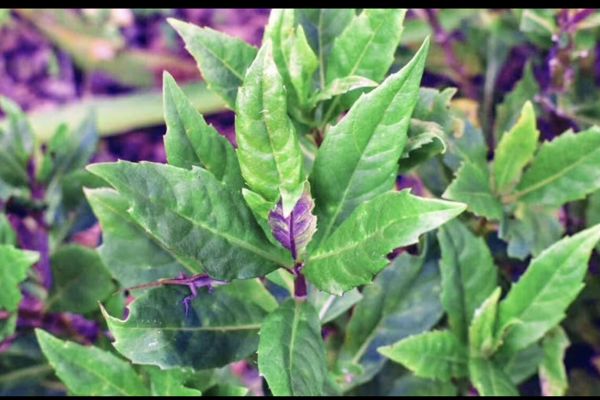
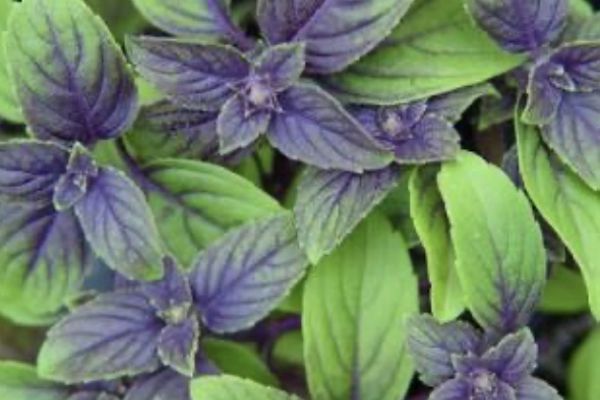
Okinawa Spinach (Gynura bicolor), Hong Tse Tsai or Purple Spinach

Okinawa Spinach (Gynura bicolor), also known as Hong Tse Tsai or Purple Spinach, is a nutritious perennial leafy vegetable native to Southeast Asia. It’s valued for its vibrant appearance, ease of cultivation, and health benefits, making it a popular addition to gardens and kitchens. Growing Requirements 1. Climate • Thrives in tropical and subtropical climates. • Suitable for USDA zones 9–11 when grown outdoors year-round. • In cooler zones, it can be grown in pots and brought indoors during colder months. 2. Light • Prefers partial shade, though it can tolerate full sun if provided with adequate moisture. • Partial shade produces more tender and vibrant leaves. 3. Soil • Grows best in well-draining, fertile soil rich in organic matter. • pH range: 6.0–7.5. 4. Watering • Requires consistent moisture, especially in hot weather. • Avoid waterlogging, as this can lead to root rot. 5. Temperature • Ideal range: 65°F–85°F (18°C–29°C). • Protect from frost or freezing temperatures. Characteristics • Appearance: • The leaves are dark green on top and purple underneath, adding ornamental appeal. • The plant has a bushy, spreading growth habit and can grow up to 1–2 feet tall and wide. • Edible Parts: • Both the leaves and young stems are edible. Uses 1. Culinary • The leaves are mild and slightly nutty, with a hint of sweetness. • Commonly used in: • Stir-fries • Soups • Salads (raw or lightly cooked) • Omelets or smoothies 2. Medicinal • Rich in vitamins A and C, iron, calcium, and antioxidants. • Traditionally used for promoting health, including reducing inflammation and supporting digestion

$10.00 / Each/Unit

The Villages, FL

plant

The “toilet paper plant” commonly refers to the woolly mullein (Verbascum thapsus)

The “toilet paper plant” commonly refers to the woolly mullein (Verbascum thapsus), a biennial plant native to Europe and Asia but widely naturalized in North America. Its nickname comes from the soft, velvety texture of its large leaves, which have historically been used as a natural alternative to toilet paper. Growing Zones • Zone 3: Tolerates cold winters with temperatures as low as -40°F (-40°C). • Zone 9: Thrives in warmer climates with mild winters. Growing Conditions • Climate: Woolly mullein is drought-tolerant and thrives in various climates, from arid to temperate regions. • Soil: Prefers well-drained, sandy, or rocky soil, though it can adapt to poor soils. • Sunlight: Grows best in full sun but can tolerate partial shade Identification 1. Appearance: • Large, woolly, light-green leaves forming a rosette at the base. • In the second year, it grows a tall stalk (up to 6 feet or more) with small yellow flowers. 2. Texture: • The leaves are densely covered in soft, fuzzy hairs, giving them their toilet paper-like feel. Uses 1. Historical Toilet Paper: • The leaves were used as a natural hygienic alternative by early settlers and indigenous peoples. 2. Medicinal Uses: • Traditionally used for respiratory ailments like coughs, colds, and asthma (the leaves and flowers are made into teas or infusions). • Anti-inflammatory properties; poultices are applied to skin irritations or wounds. 3. Wildlife: • The flowers attract bees and other pollinators. • Seeds are sometimes eaten by birds.

$19.00 / Each/Unit

The Villages, FL

plant

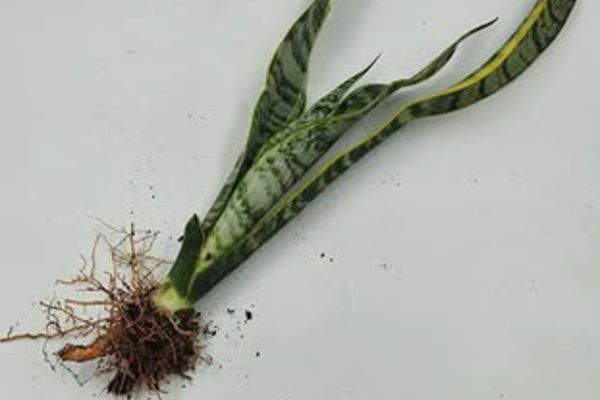
Snake plant (Sansevieria, Dracaena trifasciata), mother-in-law bare root

The snake plant (Sansevieria, also known as Dracaena trifasciata), commonly referred to as mother-in-law’s tongue, is a popular houseplant known for its striking appearance and hardiness. Hardiness Zones • Snake plants can survive outdoors in USDA zones 9–11, where temperatures do not drop below 50°F (10°C) Benefits 1. Air Purification: • Recognized by NASA’s Clean Air Study, snake plants remove toxins like formaldehyde, benzene, xylene, and toluene. 2. Oxygen at Night: • Unlike most plants, it produces oxygen at night, making it great for bedrooms. 3. Low Maintenance: • Extremely tolerant of neglect, making it perfect for busy people or beginners. 4. Aesthetic Appeal: • Adds a modern and stylish touch to any interior design Characteristics • Appearance: Tall, sword-like leaves with variegated green patterns; some varieties have yellow edges or a marbled texture. • Growth Habit: Upright, architectural growth; grows up to 3-4 feet indoors (depending on variety). • Lifespan: Long-lived and slow-growing Care Requirements 1. Light • Ideal: Bright, indirect sunlight. • Tolerant: Low-light conditions. • Avoid: Prolonged direct sunlight, which may scorch the leaves. 2. Watering • Water sparingly. Allow the soil to dry out completely between waterings. • Overwatering is the most common way to harm snake plants, as they are prone to root rot. • In winter, reduce watering to once every 4–6 weeks. 3. Soil • Use well-draining soil, such as cactus or succulent mix. • A pot with drainage holes is essential. 4. Temperature and Humidity • Temperature: Thrives in 60–85°F (15–29°C). Avoid frost or cold drafts. • Humidity: Tolerates dry air but thrives in normal household humidity levels. 5. Fertilizer • Feed with a general-purpose houseplant fertilizer once a month during spring and summer. • Do not fertilize in fall and winter. 6. Pruning • Remove damaged or dead leaves by cutting them at the base. • Snake plants rarely require pruning due to their slow growth.

$8.00 / Each/Unit

The Villages, FL

Seeds

Loofah Sponge Seed 10 seeds

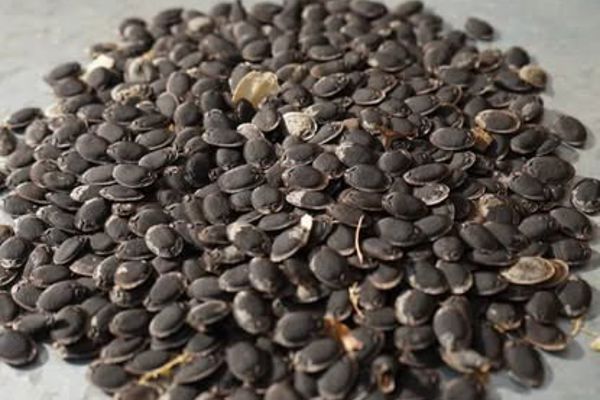
Grow your own eco-friendly loofah sponges at home. Ideal Growing Conditions for Loofah Plant: Climate: • Loofahs thrive in warm, frost-free climates with long growing seasons (150–200 days) Zones: Seeds grow best in zones 7–11, but they can also be grown in cooler zones with proper care. Ideal for direct planting outdoors after the last frost Loofah Sponge Seeds - Planting Instruction: •Zones 6 and below: Start seeds indoors 4–6 weeks before the last frost, then transplant outdoors when the soil warms up. Start Indoors: • Use biodegradable pots to avoid root disturbance during transplanting. • Use Row Covers: • Protect young plants from unexpected frosts. • Extend the Growing Season: • Use greenhouses or high tunnels for early starts and frost protection Temperature: • Germination: 70–85°F (optimal for seed sprouting). • Growth: Temperatures above 75°F encourage vigorous vine development. 4. Sunlight: • Full sun (6–8 hours daily). 5. Soil: • Well-draining, fertile soil with a pH of 6.0–7.0 Care • Watering: Keep the soil consistently moist but not waterlogged, especially during germination and flowering. • Support: Provide a sturdy trellis or fence for the vines to climb. This keeps the loofahs off the ground and ensures they grow straight. • Fertilizing: Feed plants every 3–4 weeks with a balanced fertilizer or compost tea. Harvesting • For Sponges: • Allow fruits to mature fully on the vine until the skin hardens and turns yellow or brown. • Peel the skin to reveal the loofah sponge inside. Wash and dry thoroughly before use. • For Food: Harvest immature fruits when they are 4–6 inches long and tender. Use in stir-fries, soups, or salads

$8.00 / Bunch

The Villages, FL

plant

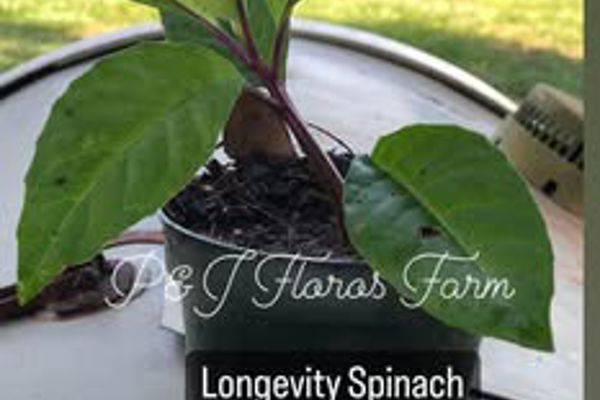
Longevity Spinach (Gynura procumbens), Leaves of the Gods or Sabungai

Longevity Spinach (Gynura procumbens), also known as Leaves of the Gods or Sabungai, is a fast-growing perennial plant celebrated for its health benefits and ease of cultivation. Native to Southeast Asia and Africa, it is often used as a medicinal and edible plant. Growing Requirements 1. Climate • Best grown in USDA Zones 9–11. • In cooler zones, it can be grown in pots and overwintered indoors. 2. Light • Prefers partial shade to full sun. • Grows well in shaded gardens but produces more robust leaves with some sunlight. 3. Soil • Thrives in well-draining, fertile soil with plenty of organic matter. • pH range: 6.0–7.0. 4. Watering • Requires regular watering to keep the soil moist but not waterlogged. • Drought-tolerant once established but grows best with consistent moisture. 5. Temperature • Ideal range: 65°F–85°F (18°C–29°C). • Protect from frost and freezing temperatures Characteristics • Appearance: • Glossy, dark green, oval-shaped leaves with a slightly toothed edge. • Creeping or trailing growth habit, making it great for ground cover or containers. • Growth: • Can grow up to 1–3 feet in height and spread. • Thrives as a perennial in warm climates Uses 1. Culinary: • The leaves are tender, mild, and slightly sweet. • Used in salads, stir-fries, smoothies, or brewed as tea. • Can be eaten raw or cooked. 2. Medicinal: • Traditionally used for its purported health benefits, such as lowering blood sugar, reducing cholesterol, and boosting overall health. • Rich in antioxidants, vitamins, and minerals

$15.00 / Each/Unit

The Villages, FL

seeds

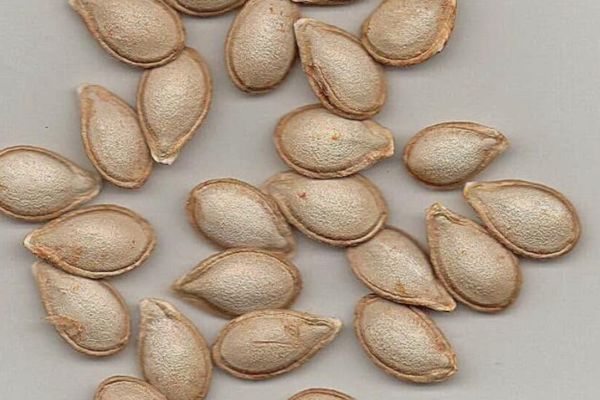
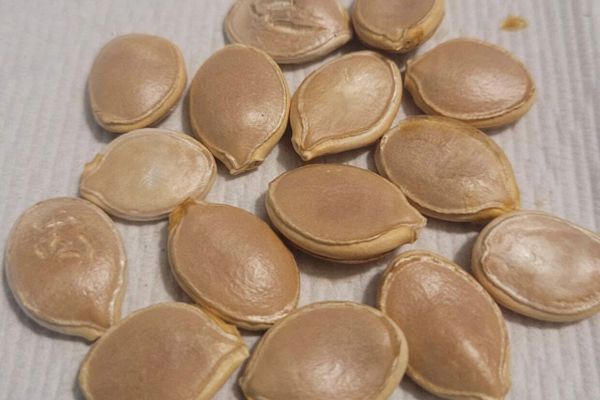
Kabocha squash (Cucurbita maxima), Japanese pumpkin, organic 10 seeds

Kabocha squash (Cucurbita maxima), often called Japanese pumpkin, is a versatile winter squash with a sweet, nutty flavor and a dense, creamy texture. Growing Conditions 1. Zones • Grows in USDA zones 3–10, as long as there’s no frost during its growing period. 2. Planting • Season: Plant seeds in late spring after the last frost. • Soil: Prefers well-draining, fertile soil with a pH of 6.0–6.8. • Spacing: Allow plenty of room for vines to spread (4–6 feet). 3. Light • Requires full sun (at least 6–8 hours daily). 4. Watering • Keep the soil evenly moist but not waterlogged. Water deeply to encourage strong root growth. 5. Fertilizing • Use a balanced fertilizer during planting and side-dress with compost or additional fertilizer as the plant grows. Characteristics 1. Appearance: • Small, round shape with a dark green, bumpy skin (some varieties have orange or grayish skins). • Bright orange flesh inside. 2. Flavor: • Sweet and rich, often compared to chestnuts or sweet potatoes. • Less watery than other squashes, with a velvety texture when cooked. 3. Size: • Typically weighs 2–3 pounds Uses 1. Culinary: • Common in soups, stews, curries, tempura, roasted dishes, and desserts. • The skin is edible when cooked and adds a slight chewiness. 2. Nutritional Benefits: • Rich in vitamins A and C, fiber, beta-carotene, and antioxidants. • Low in calories, making it a healthy choice

$8.00 / Each/Unit

The Villages, FL

Seeds

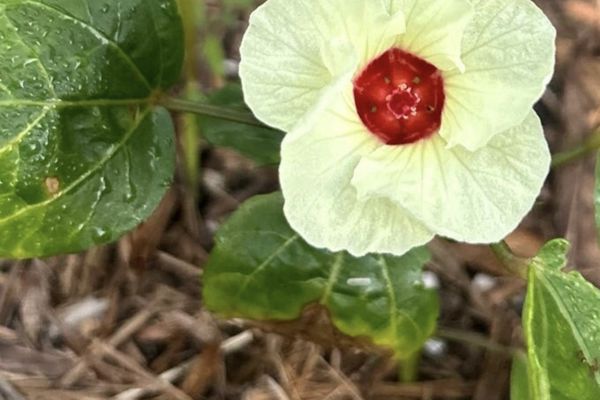
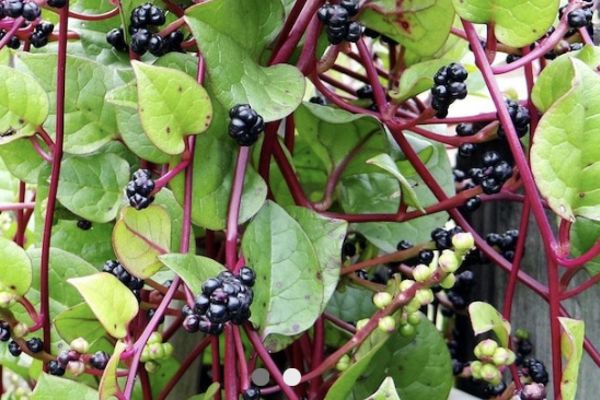
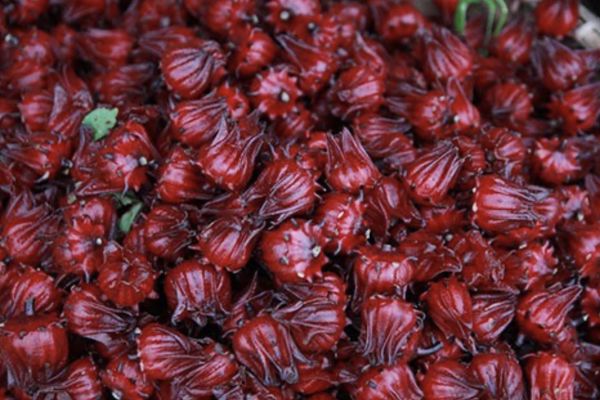
Roselle (Hibiscus sabdariffa), also known as hibiscus or sorrell

10 seeds 🌱 Growing Information • Climate & Zones: • Thrives in warm climates (USDA Zones 9–12) • Can be grown as an annual in cooler zones if started indoors and transplanted after frost. • Needs 6–8 months frost-free to flower and produce calyces. • Soil: Well-drained, sandy loam, slightly acidic (pH 5.5–6.5). • Light: Full sun (6–8 hours daily). • Watering: Moderate; drought-tolerant once established but best with consistent watering. • Growth Habit: Shrub-like, 4–7 ft tall. • Harvest: Calyces (the fleshy red part) are ready about 3–4 weeks after flowering. Leaves can be harvested young. 🌿 Health Benefits Red roselle is rich in antioxidants, vitamin C, and plant acids, giving it both nutritional and medicinal uses. • Blood pressure regulation – Hibiscus tea may help lower systolic and diastolic blood pressure. • Cholesterol support – May reduce LDL (“bad”) cholesterol. • Digestive aid – Acts as a mild diuretic and supports liver health. • Anti-inflammatory & antioxidant – Helps fight oxidative stress. • Immune boost – Vitamin C and polyphenols support immune function. • Weight & metabolism – Some studies suggest it helps regulate blood sugar and fat metabolism. Every part of roselle has uses: • Calyces (red sepals) • Make hibiscus tea (agua de Jamaica) – tart, cranberry-like flavor. • Used in jams, jellies, sauces, syrups, and desserts. • Can be dried and stored for year-round use. • Leaves • Eaten fresh in salads or cooked like spinach (slightly sour, like sorrel). • Added to soups, stews, or curries. • Seeds • Can be roasted and ground into a coffee substitute. • Contain oil used in some traditional cuisines. • Other Uses • Natural red food dye. • Traditional medicine teas for colds, fevers, and digestion.

$4.00 / Each/Unit

The Villages, FL

plant

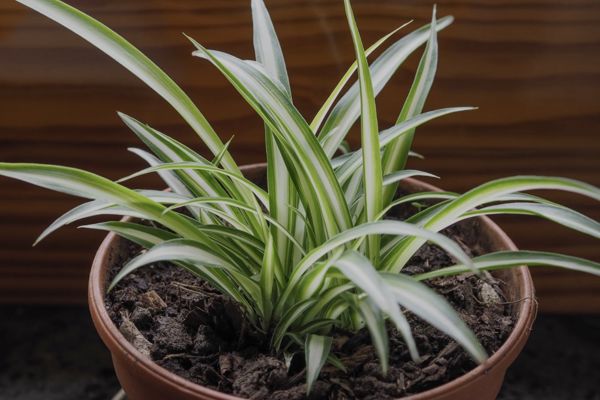
The spider plant (Chlorophytum comosum)

The spider plant (Chlorophytum comosum) Typically grown indoors as houseplants but can thrive outdoors in USDA hardiness zones 9–11. Here’s more detail: Outdoors in Zones 9–11 • These zones have mild winters, where temperatures usually don’t drop below 20–30°F (-6 to -1°C). • In these areas, spider plants can grow year-round outdoors in shaded or semi-shaded locations. Cooler Zones (Below 9) • In zones 8 and below, spider plants must be brought indoors or protected during colder months, as frost will damage or kill them 1. Air Purification: Spider plants are excellent at filtering indoor air pollutants, including carbon monoxide, formaldehyde, and xylene. NASA’s Clean Air Study recognized them for improving air quality. 2. Oxygen Production: They release oxygen and can help increase indoor oxygen levels, creating a fresher and healthier environment. 3. Humidity Booster: Spider plants release moisture into the air through transpiration, which can help combat dryness, especially in air-conditioned or heated spaces. 4. Stress Reduction: Research suggests that having greenery indoors, like spider plants, can reduce stress and promote relaxation. 5. Pet-Friendly (Mostly): Spider plants are non-toxic to pets, though cats are often drawn to them, so monitoring is still advised to prevent overeating. 6. Low Maintenance: Spider plants are highly adaptable and thrive even in less-than-ideal conditions, making them perfect for busy or first-time plant owners.

$8.00 / Each/Unit

The Villages, FL

Herbs

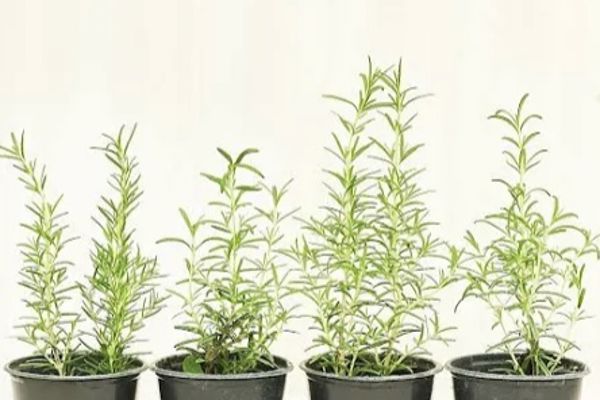
Rosemary

Starter plants available in 4 inch pot 🌱 USDA Growing Zones • Hardy in Zones 7–10 as a perennial shrub. • In Zone 6 and colder, it usually won’t survive the winter outdoors but can be grown in containers and overwintered indoors. • In Zones 8–10, rosemary can grow into a large shrub (3–5 ft tall). • In Zone 7, it may survive mild winters if mulched and sheltered. 🌿 Growing Tips • Prefers full sun (6–8 hours daily). • Needs well-drained, sandy or loamy soil (too much moisture = root rot). • Drought-tolerant once established. • Benefits from being pruned regularly to prevent woody stems and encourage bushiness. Health benefits : 1. Brain & Nervous System Support • Enhances memory and cognitive function. • Helps reduce brain fog and mental fatigue. • Protects against neurotoxins and heavy metals that can impair brain function. 2. Detoxification & Liver Support • Assists in flushing out harmful toxins, including heavy metals. • Supports liver and gallbladder health by aiding bile production. 3. Antiviral & Antibacterial Properties • Naturally helps fight off viruses, bacteria, and mold exposure. • Can be used to support the immune system during colds or infections. 4. Circulatory & Heart Health • Improves circulation and oxygenation in the body. • Helps reduce inflammation in blood vessels. 5. Digestive & Gut Healing • Stimulates digestion and helps with bloating and sluggish digestion. • Supports gut microbiome health. 6. Emotional & Spiritual Benefits • Helps clear negative energy and uplift the spirit. • Enhances intuition and mental clarity.

$12.00 / Each/Unit

The Villages, FL

Have Produce?
List yours for free today.