• Price:

    $8.00

    Unit:

    Each/Unit

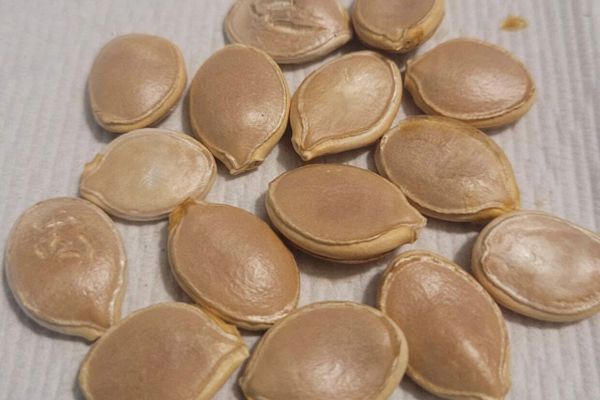
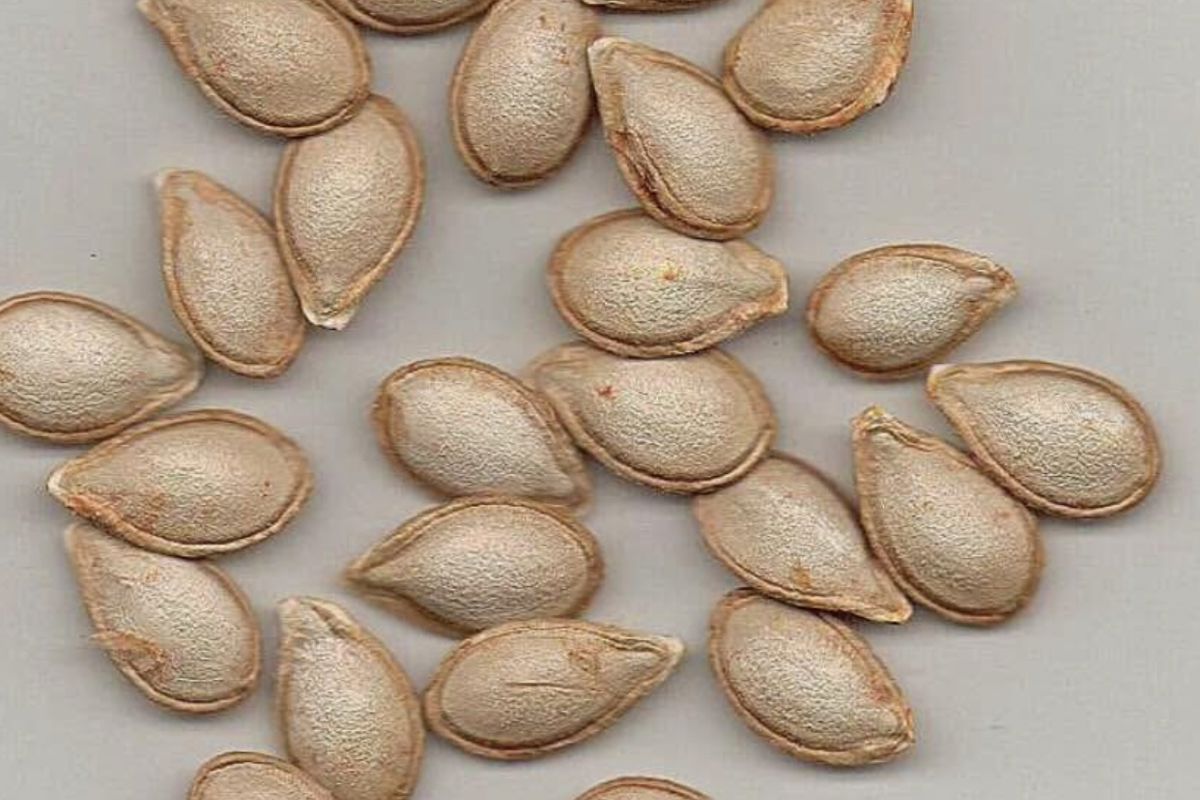
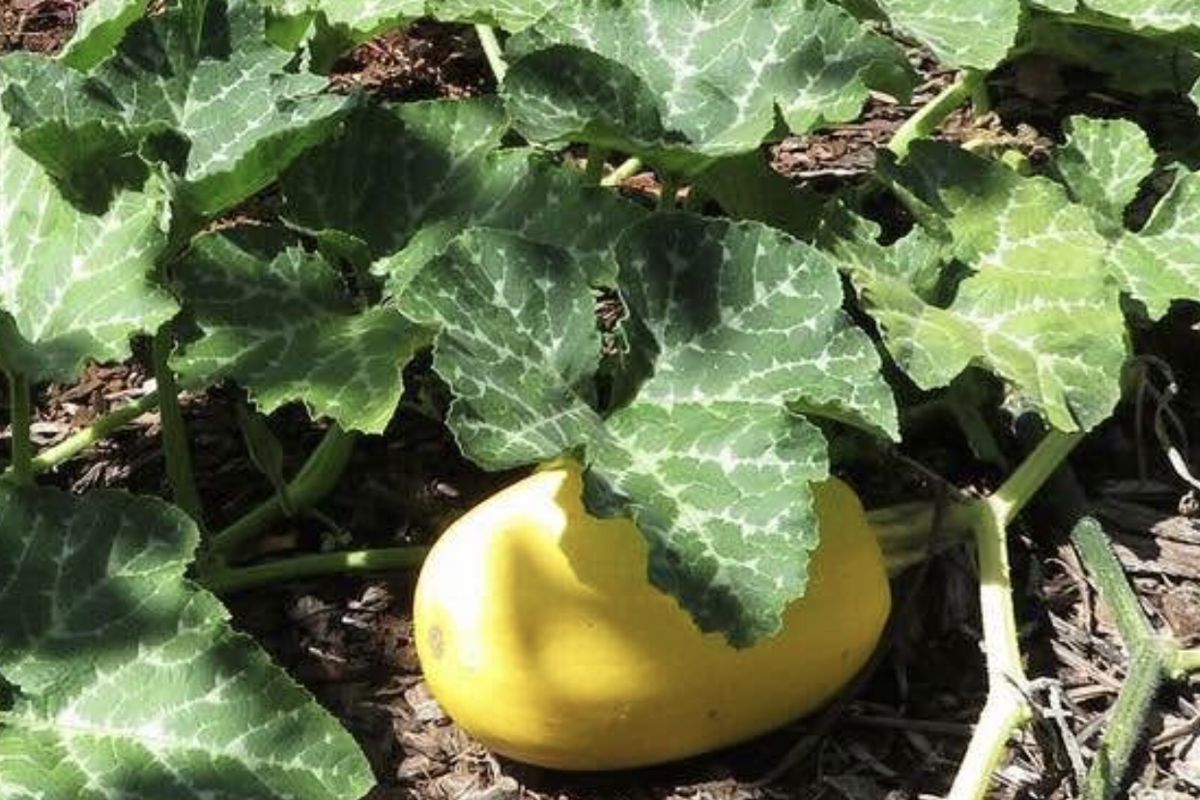
Spaghetti squash 10 seeds

Shippable Item

Product information

$8.00

Bartering Selling

Description

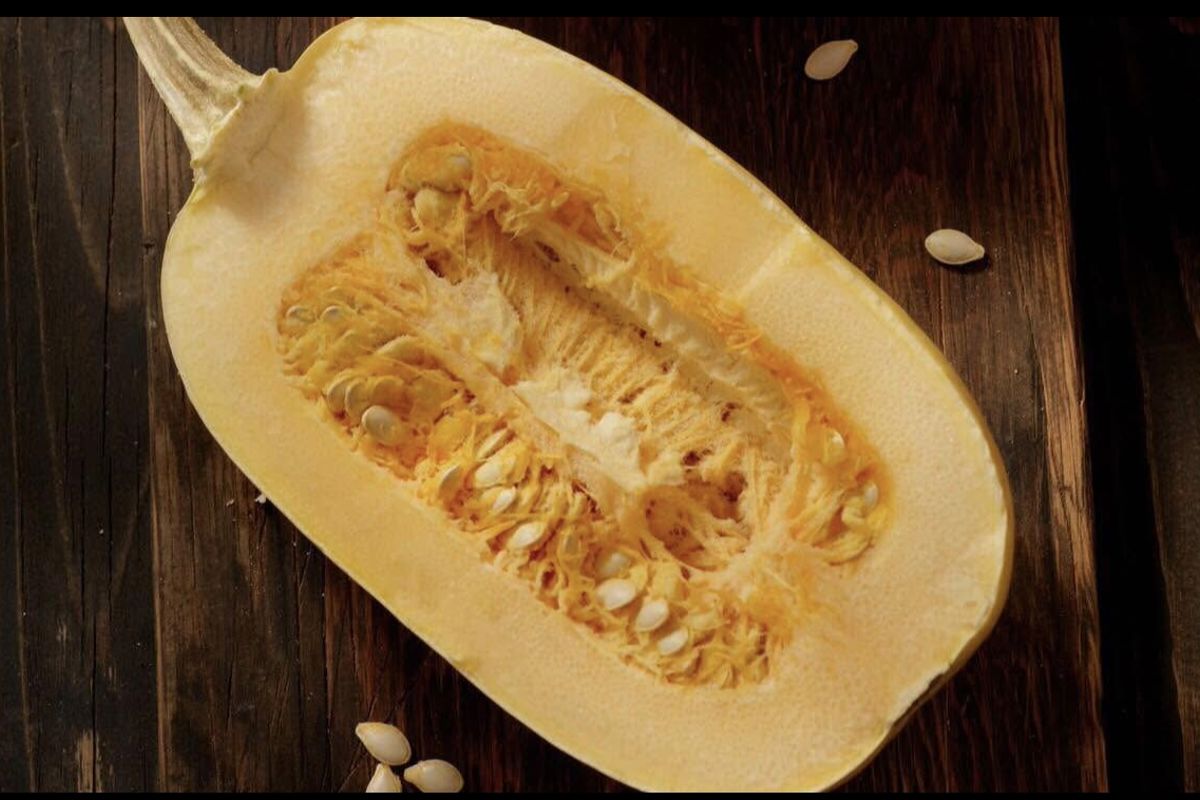
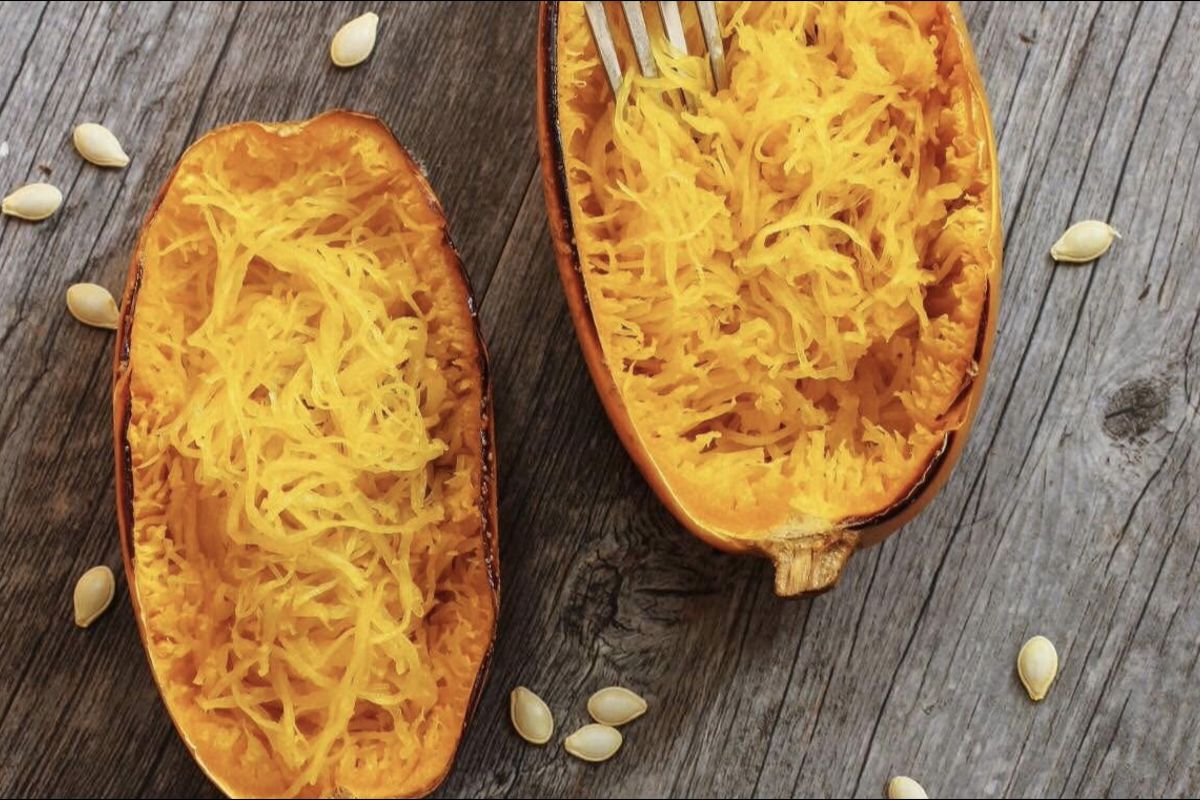
Spaghetti squash (Cucurbita pepo) is a unique winter known for its stringy, noodle-like flesh, which is a popular low-carb alternative to pasta. Growing Conditions 1. Zones • Grows best in USDA zones 3–10, but it is sensitive to frost. 2. Planting • Season: Plant in late spring after the last frost. • Soil: Prefers well-drained, nutrient-rich soil with a pH of 6.0–7.5. • Spacing: Plant seeds or seedlings 3–4 feet apart to allow for sprawling vines. 3. Light • Requires full sun (6–8 hours daily). 4. Watering • Keep soil evenly moist but avoid waterlogging. • Water deeply at the base to encourage strong roots and prevent mildew. 5. Fertilizing • Use a balanced fertilizer at planting and again when the vines begin to grow. Characteristics 1. Appearance: • Oval-shaped, typically 8–12 inches long. • Yellow or pale golden skin when ripe. • Inside, the flesh separates into strands resembling spaghetti once cooked. 2. Flavor: • Mild, slightly nutty taste that pairs well with sauces, herbs, and seasonings. 3. Nutritional Benefits: • Low in calories and carbohydrates. • Rich in vitamins A, C, and B6, as well as fiber and potassium. Uses • Commonly baked, boiled, steamed, or microwaved to make a pasta substitute. • Served with marinara, Alfredo, or other sauces. • Used in casseroles, salads, or stir-fries

Full Transparency

About the farmstand: P&J Floros Farm

About P&J Floros Farm
Working for God helping people grow food🌱🙌🏻🙏✨
Accepted payment methods
Venmo
@Jessica-Floros
Social Media
Location
Address (Approximate)
32159 - The Villages, FL
City
The Villages
State
FL
Zip
32159
Herbs

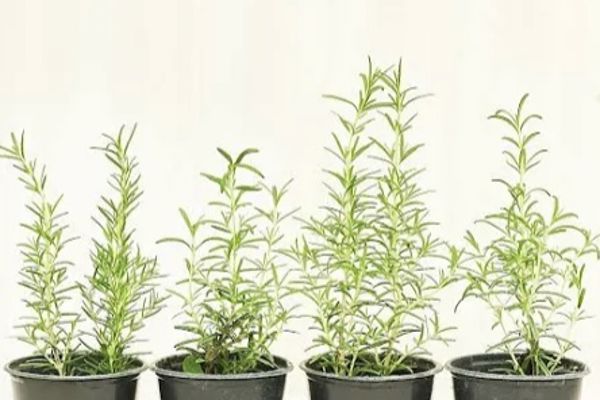
Rosemary

Starter plants available in 4 inch pot 🌱 USDA Growing Zones • Hardy in Zones 7–10 as a perennial shrub. • In Zone 6 and colder, it usually won’t survive the winter outdoors but can be grown in containers and overwintered indoors. • In Zones 8–10, rosemary can grow into a large shrub (3–5 ft tall). • In Zone 7, it may survive mild winters if mulched and sheltered. 🌿 Growing Tips • Prefers full sun (6–8 hours daily). • Needs well-drained, sandy or loamy soil (too much moisture = root rot). • Drought-tolerant once established. • Benefits from being pruned regularly to prevent woody stems and encourage bushiness. Health benefits : 1. Brain & Nervous System Support • Enhances memory and cognitive function. • Helps reduce brain fog and mental fatigue. • Protects against neurotoxins and heavy metals that can impair brain function. 2. Detoxification & Liver Support • Assists in flushing out harmful toxins, including heavy metals. • Supports liver and gallbladder health by aiding bile production. 3. Antiviral & Antibacterial Properties • Naturally helps fight off viruses, bacteria, and mold exposure. • Can be used to support the immune system during colds or infections. 4. Circulatory & Heart Health • Improves circulation and oxygenation in the body. • Helps reduce inflammation in blood vessels. 5. Digestive & Gut Healing • Stimulates digestion and helps with bloating and sluggish digestion. • Supports gut microbiome health. 6. Emotional & Spiritual Benefits • Helps clear negative energy and uplift the spirit. • Enhances intuition and mental clarity.

$12.00 / Each/Unit

The Villages, FL

Seeds

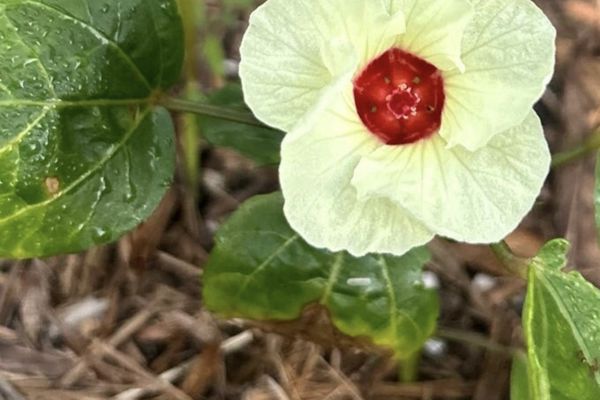
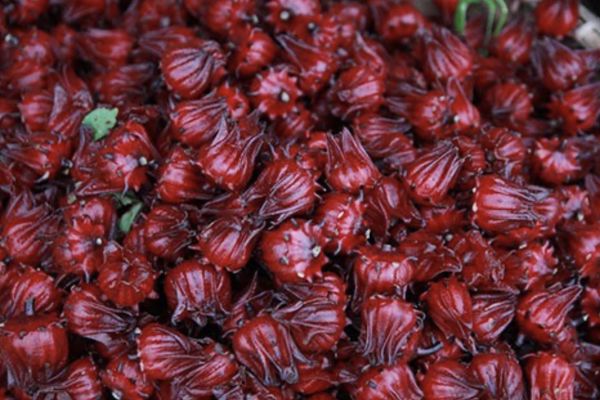
Roselle (Hibiscus sabdariffa), also known as hibiscus or sorrell

10 seeds 🌱 Growing Information • Climate & Zones: • Thrives in warm climates (USDA Zones 9–12) • Can be grown as an annual in cooler zones if started indoors and transplanted after frost. • Needs 6–8 months frost-free to flower and produce calyces. • Soil: Well-drained, sandy loam, slightly acidic (pH 5.5–6.5). • Light: Full sun (6–8 hours daily). • Watering: Moderate; drought-tolerant once established but best with consistent watering. • Growth Habit: Shrub-like, 4–7 ft tall. • Harvest: Calyces (the fleshy red part) are ready about 3–4 weeks after flowering. Leaves can be harvested young. 🌿 Health Benefits Red roselle is rich in antioxidants, vitamin C, and plant acids, giving it both nutritional and medicinal uses. • Blood pressure regulation – Hibiscus tea may help lower systolic and diastolic blood pressure. • Cholesterol support – May reduce LDL (“bad”) cholesterol. • Digestive aid – Acts as a mild diuretic and supports liver health. • Anti-inflammatory & antioxidant – Helps fight oxidative stress. • Immune boost – Vitamin C and polyphenols support immune function. • Weight & metabolism – Some studies suggest it helps regulate blood sugar and fat metabolism. Every part of roselle has uses: • Calyces (red sepals) • Make hibiscus tea (agua de Jamaica) – tart, cranberry-like flavor. • Used in jams, jellies, sauces, syrups, and desserts. • Can be dried and stored for year-round use. • Leaves • Eaten fresh in salads or cooked like spinach (slightly sour, like sorrel). • Added to soups, stews, or curries. • Seeds • Can be roasted and ground into a coffee substitute. • Contain oil used in some traditional cuisines. • Other Uses • Natural red food dye. • Traditional medicine teas for colds, fevers, and digestion.

$4.00 / Each/Unit

The Villages, FL